Older streets
Artificial Grass in Old Moulsham and Chelmsford’s Older Streets
Narrow side passages, small walled gardens and a conservation area: older Chelmsford streets bring their own questions.
A street with a long past
Moulsham Street follows the line of the main Roman road through the town, according to Wikipedia’s Moulsham article (Wikipedia, Moulsham). GeoEssex notes that large areas of old Moulsham were formerly brick pits, and that several produced Ice Age fossils in the nineteenth century. Source: GeoEssex, Chelmsford geology.
Behind many older houses the gardens are modest. A side passage may be the only way to carry materials in, and a wall or fence may sit tight on every side.
Conservation areas in the city
Chelmsford City Council lists 26 conservation areas. Nine are inside the city itself, including Chelmsford Moulsham Street, Chelmsford New London Road, Chelmsford Central and Chelmsford Springfield Green. Source: Chelmsford City Council, conservation areas in Chelmsford, read on 10 November 2026.
What a conservation area means for a garden depends on the address, and this site cannot tell you how the rules apply to yours. The council is the one to ask. Its Article 4 page explains that extra rules can be added on top of the usual ones.
An Article 4 Direction removes all or some of the permitted development rights on an area or property.
Source: Chelmsford City Council, Article 4 Directions.
Small gardens, careful work
- Access. Ask how stone, sand and grass reach the garden, and whether any of it is carried via the hallway.
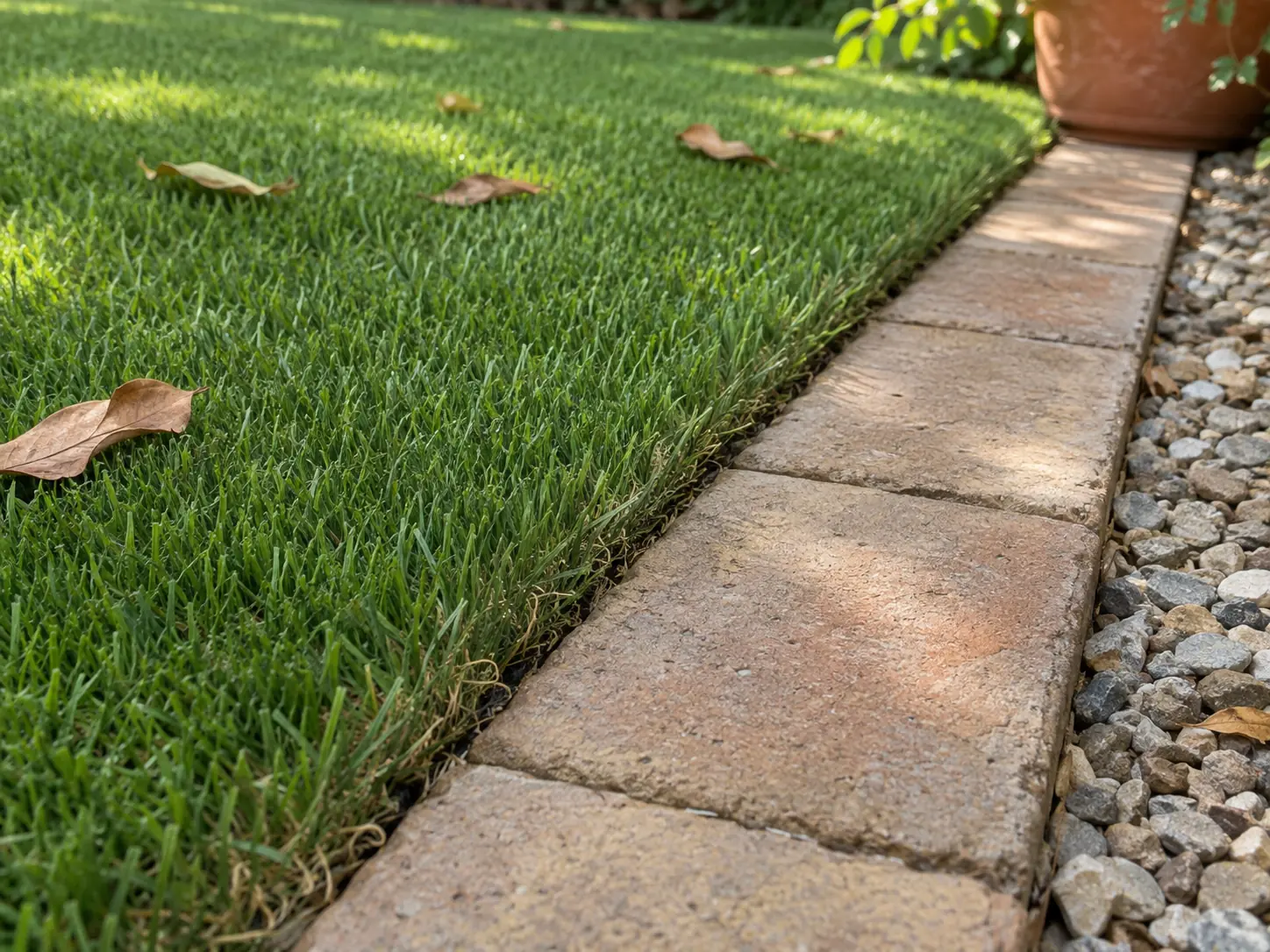
- Edges. Brick, timber or a mowing strip: match what is already there.
- Levels. Check the lawn against door thresholds and damp-proof courses before the base goes in.
- Neighbours. A shared wall or boundary deserves a conversation before the digger arrives.
A small garden behind an older house? Describe it and start a quote.
Start your quote